Create Guide
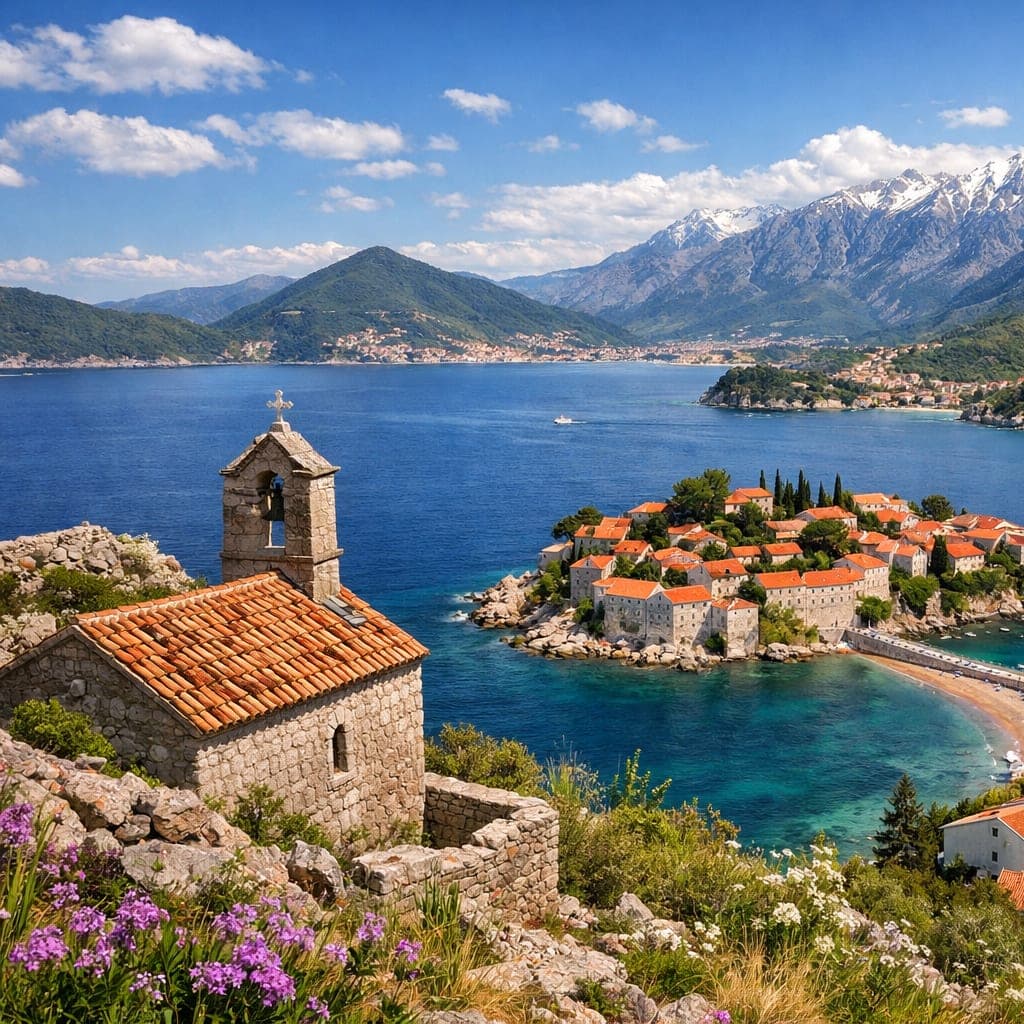
Picture of Черногория

Travel Guide for
Черногория

Черногория

Mediterranean and continental

Introduction

Montenegro is a small Balkan country on the Adriatic, wedged between Croatia, Bosnia and Herzegovina, Serbia, Kosovo, and Albania. For May 4–10, expect pleasant spring weather: warm days, cooler evenings, and enough sunshine for coastal walks, mountain hikes, and old-town exploring, though rain can still pop up. Its mix of Venetian, Ottoman, and Balkan influences gives places like Kotor, Budva, and Cetinje plenty of culture without feeling polished or overpriced.

It suits a backpacker on an average budget because you can combine bus travel, affordable guesthouses, and low-cost eats with a lot of variety in six days. The tradeoff is that nightlife and beach scenes can be lively in the coast’s busier towns, while quieter inland areas are better for culture, volunteering contacts, and outdoor adventures. May is a good shoulder-season window for sightseeing, local festivals, and exploring before summer crowds raise prices.

Customized for these preferences:

Travel StyleBackpacker

Dates04-10 May 2026

BudgetAverage budget

AccommodationResort, hotel, villa, homestay, apartment or house

Interests and Activities:

arts and culturefamily activitiesfestivals and eventsvolunteering and social impactgastronomysightseeing and toursoutdoor adventuresnightlife and entertainment

Not what you're looking for? Create Your Own Guide!

Picture of Черногория

Itinerary

Ease into Montenegro with a compact coastal day built around walled streets, sea air, and a first taste of the country’s layered history and

Wander Kotor Old Town's lanes and squares

Settle in by roaming the marble alleys, tiny churches, and sunlit courtyards inside the old walls, where it is easy to get your bearings without spending much. The mix of Venetian detail and everyday local life makes this an ideal first afternoon after arrival.

Climb to the San Giovanni Fortress viewpoint

This is the day’s main anchor: a steep but rewarding staircase above town that opens into one of the classic views in Montenegro, with red roofs, the bay, and mountains folding into one frame. Go later in the afternoon when the light softens and the climb feels more manageable; bring water, because,

Seafood dinner along the Kotor waterfront

End gently with a relaxed meal on the promenade, where grilled fish, black risotto, and local wine make an easy introduction to the coast. It is backpacker-friendly to linger here with a simple plate and watch the harbour settle into evening.

Key Facts

Location

Southeast Europe, Balkans

Currency

Euro (EUR)

Religion

Eastern Orthodox Christian

Population

623,000

Language

Montenegrin, Serbian, Bosnian, Albanian

Electricity

230V, 50Hz, Type C/F plugs

Time zone

UTCCentral European Time (UTC+1)

Country code

+382

Internet access

Widespread broadband and mobile; good in cities

Climate

Mediterranean and continental

Language:

Montenegrin

  • hello

    здраво (zdrah-vo)
  • goodbye

    довиђења (doh-vee-jen-yah)
  • yes

    да (dah)
  • no

    не (neh)
  • how much

    колико ово кошта? (koh-lee-koh oh-vo koh-shta)
  • please

    молим (moh-leem)
  • thank you

    хвала (khvah-lah)
  • excuse me

    извините (eez-vee-nee-teh)

Map

Logistics

Montenegro is easiest to reach by flight, with Podgorica and Tivat the main airports. For an average-budget backpacker, flying into Podgorica often gives better onward bus connections, while Tivat works well for the coast. If you’re coming from nearby countries, long-distance buses are usually the best value and more flexible than trains.

Train options are limited, so don’t rely on rail for a full trip. The scenic Bar–Belgrade line is the main exception, useful if you’re combining Montenegro with Serbia. Ferries can help on Adriatic routes in season, but they’re secondary to buses and flights.

Within Montenegro, buses are the practical way to move between coast, capital, and mountain towns. In early May, services are generally running well, but some beach-focused transport and boat links may still be less frequent than in summer. Roads can be busy on holiday weekends, so book key transfers ahead if possible.

Weather

Montenegro has a varied climate: a sunny Adriatic coast with mild, wetter winters and hot, dry summers, while inland and mountain areas are cooler, snowier in winter, and much fresher at higher elevations. Spring is one of the best all-round seasons, with rising temperatures, greener landscapes, and less summer crowding.

May 4–10 is usually pleasantly warm on the coast and comfortably cool inland, though brief showers or a thunderstorm are possible, especially in the mountains. It’s a strong week for sightseeing, tours, gastronomy, family outings, and outdoor activities; culture and nightlife are also easy to enjoy, while festivals may be starting up but are not guaranteed.

Pack light layers, a rain jacket, and good walking shoes, plus sun protection for the coast. If you want volunteering or social-impact activities, book ahead and check schedules, since spring demand can be uneven and some programmes run on limited dates. Extreme weather is not typical, but local downpours can briefly disrupt mountain plans.

Food & Drink

Montenegro’s food is a mix of Adriatic, Balkan, and mountain traditions, so you can eat very differently in Kotor than in the north. Look for grilled fish, black risotto, mussels from Boka Bay, pršut (air-dried ham), kajmak (creamy dairy spread), and hearty dishes like ćevapi, cicvara, or lamb under the bell. In May, spring produce, fresh herbs, and seafood are especially good, and a backpacker on an average budget will usually eat best in modest konobas, taverns, bakeries, and simple harbor-side spots rather than upscale restaurants.

Local dining is relaxed and social: meals can start late, portions are generous, and sharing mezze-style plates is common, especially with wine or rakija. Try Njeguški pršut from the mountain village of Njeguši, and seek out local wines such as Vranac and Krstač, plus strong plum or grape rakija, which is often offered as a welcome drink. Tipping is appreciated but not obligatory; rounding up or leaving about 5–10% for good service is typical in restaurants and cafés.

For the best value and atmosphere, explore old-town lanes in Kotor and Budva, seaside promenades in Herceg Novi, and market areas in Podgorica for burek, yogurt, cheese pies, and quick lunches. Food markets and bakeries are ideal for budget breakfasts, while casual fish grills and konobas suit dinner after sightseeing or hiking. If you drink, keep an eye on festival nights and waterfront bars, but balance nightlife with quieter wine bars or café terraces to experience how locals actually spend an evening.

Accommodation

For an average-budget backpacker, the best base is usually Budva for easy beach access, nightlife, and lots of midrange hotels, apartments, and guesthouses; Kotor for the most scenic old-town stay, though rooms can cost more and book up fast; and Herceg Novi if you want a calmer seaside feel. For value, look just outside the most tourist-heavy cores.

Resorts and nicer hotels fit best along the coast, while apartments and villas often give better value for 6 days, especially if you want kitchen access. Use Hotels.com to compare hotel/apartment options and filter for guest reviews, location, and free cancellation. For May 04–10, book early: spring is busy enough that the best central stays in Kotor and Budva can sell out or price up.

FAQ

Find quick answers to your Черногория travel questions with our travel guide chatbot. Your questions will be added to this section to help other travellers.

Travel Essentials

Primary hero image

Ready to plan your trip?

Share your travel insights or create a new guide for fellow adventurers!