Introduction
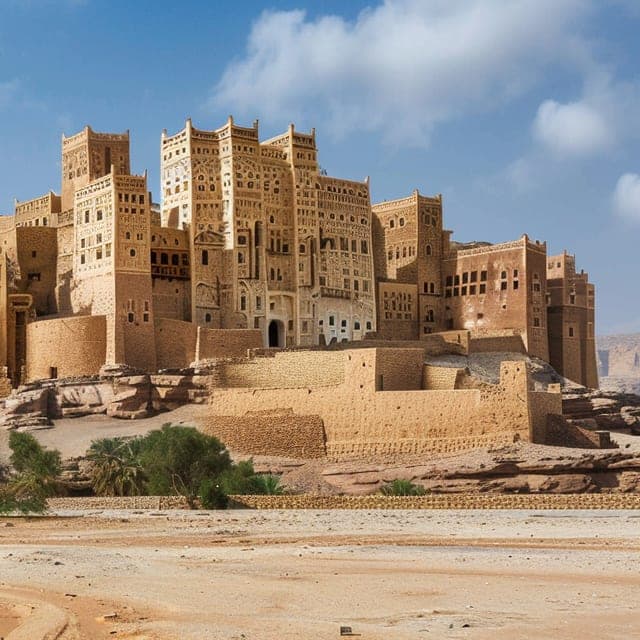
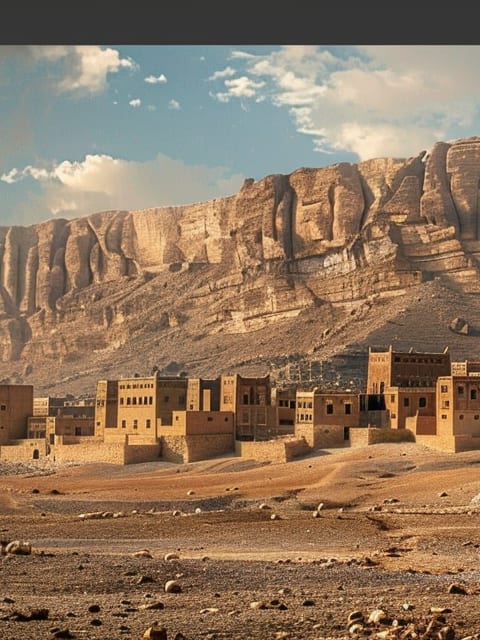
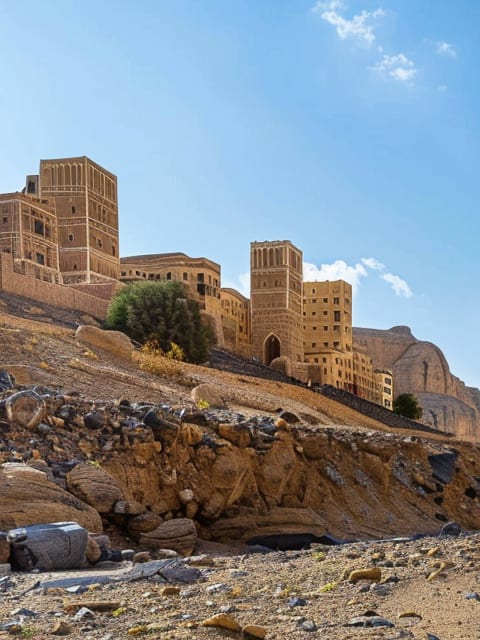
Shibam, often called the "Manhattan of the Desert," sits in Yemen’s Hadhramaut Valley. It’s famous for its centuries-old mudbrick skyscrapers that rise several stories high, earning it UNESCO World Heritage status.
Founded over 1,700 years ago, Shibam features winding alleyways, lively local markets, and a proud tradition of craftsmanship. The city reflects Yemen’s rich cultural heritage through its unique architecture and welcoming atmosphere.
Visitors are drawn by the stunning skyline, historical ambiance, and a glimpse into everyday life in an ancient walled city. Shibam is a must-see for anyone interested in history, architecture, and vibrant local culture.

Itinerary for Shibam
Itinerary
Shibam
Viewing Day 1. Numbered pins match today's itinerary stops; purple markers are recommended experiences. Click a pin for details.Pins match today's stops. Purple pins are experiences.
- 1Kick off your journey by strolling along the edge of Shibam to capture awe-inspiring photos of its famous mudbrick skyscrapers—often called the 'Manhattan of the Desert.' Sunrise and sunset offer especially magical lighting for pictures!
- 2
Wander the Ancient City Gates
Walk through the historic gates that mark the entrance to Shibam’s old city. Observe the impressive defensive architecture and get a first taste of the town’s unique urban layout and fortified ambiance. - 3
Visit the Shibam Mosque
Discover the spiritual heart of the city at the centuries-old Shibam Mosque. Marvel at its traditional mudbrick design and serene courtyard. Remember to dress modestly and remove shoes before entering.
Key Facts
Location
Hadhramaut Governorate
Currency
Yemeni rial (YER)
Religion
Islam (Sunni)
Population
7,000
Language
Arabic
Electricity
230V, 50Hz, plug types A, D, G
Time zone
UTCAST (UTC+3)
Country code
+967
Internet access
Limited, slow, often unreliable
Climate
Hot desert, very low rainfall
Language:
Arabic
hello
السلام عليكم (as-sa-la-mu a-lay-kum)goodbye
مع السلامة (ma-a as-sa-la-ma)yes
نعم (na-am)no
لا (la)how much
بكم هذا؟ (bee-kam ha-tha)please
من فضلك (min fad-lik)thank you
شكراً (shook-ran)excuse me
عفواً (af-wan)
Logistics
Reaching Shibam, often called the "Manhattan of the Desert," usually begins with a flight into Yemen, most commonly landing at Seiyun Airport in Hadhramaut. International travelers often connect through nearby regional hubs like Cairo or Salalah, as direct flights to Yemen are limited and may be suspended due to security issues.
From Seiyun, private taxis or hired cars are the most reliable way to get to Shibam, about an hour’s drive away. Public transport is minimal and schedules can be erratic. Travel conditions can be affected by local security and weather, particularly flash floods during the rainy season, so check updates before planning your visit.
Weather
Shibam has a hot desert climate, with long, dry summers and mild winters. Daytime temperatures from May to September often exceed 40°C (104°F), while winters (December to February) are much more pleasant, hovering around 20–25°C (68–77°F) during the day and cooler at night.
Rainfall is very limited, mainly occurring in brief showers between March and May or September and October. The best time to visit Shibam is in the cooler months, from November to March, when the temperature is comfortable for sightseeing. Avoid visiting during peak summer, as the heat and dryness can be overwhelming.
Food & Drink
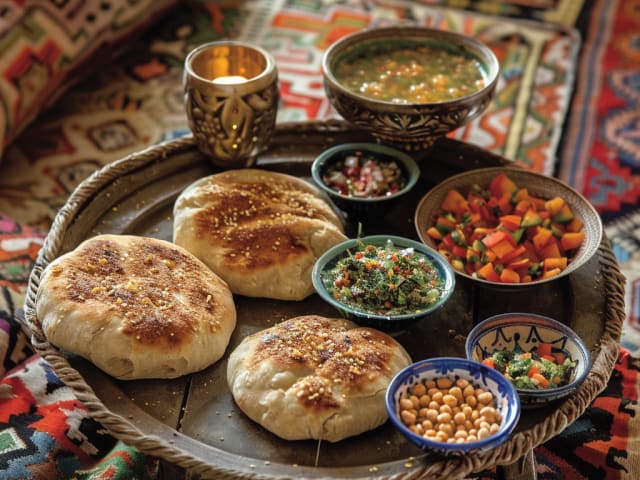
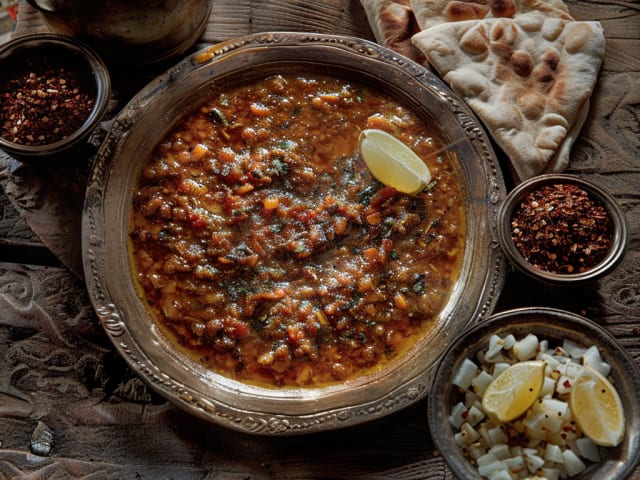
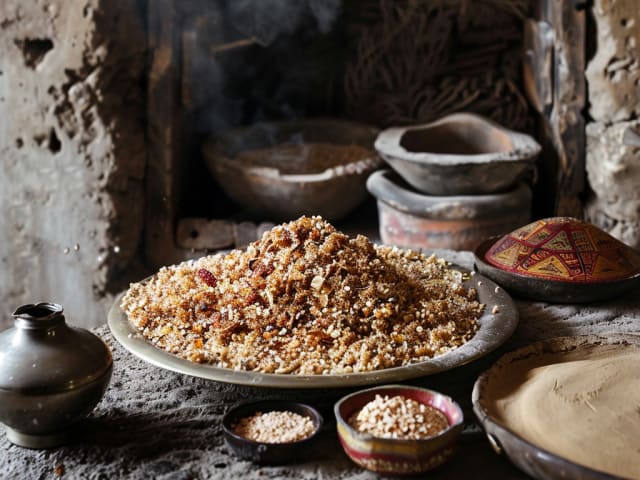
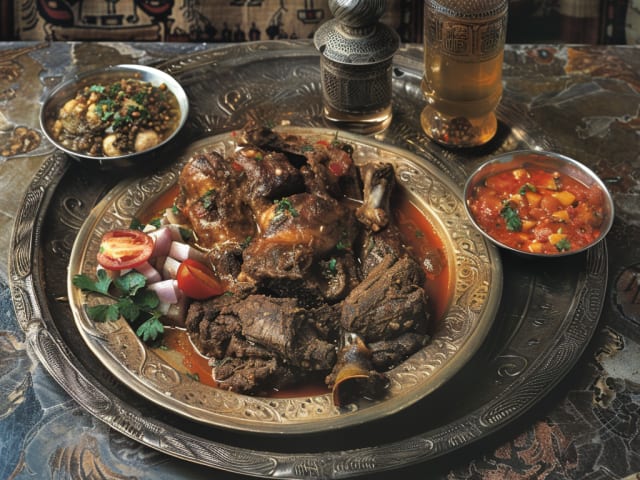
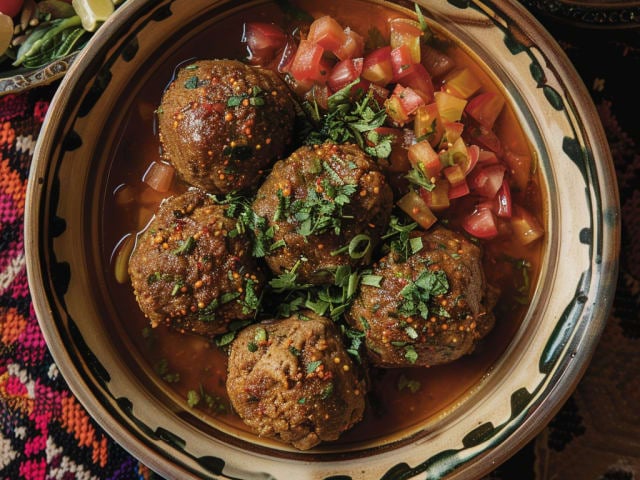
Shibam’s cuisine is an authentic taste of Yemen, featuring savory dishes like saltah (a meat stew with fenugreek), mandi (spiced rice with lamb or chicken), and hearty flatbreads. Yemeni honey and rich, spiced coffee are local specialties, best enjoyed in small cafes or guesthouse dining rooms. Alcohol is not served due to local Islamic customs.
Dining options in Shibam are simple; try local restaurants such as Shibam Tourist Restaurant, or eat at your guesthouse for fresh, home-cooked meals. Street stalls offer snacks like samosas and fresh fruit. Tipping is appreciated (about 5-10%), though not always expected. Vegetarians may find limited options, so it’s helpful to notify your hosts in advance.

Saltah
Saltah is a traditional Yemeni stew consisting of a savory meat broth, slow-cooked with herbs, spices, and chunks...

Fahsa
Fahsa is a rich and aromatic Yemeni lamb stew, slow-cooked with a blend of fragrant spices and hearty...

Aseed
Aseed is a traditional Yemeni dish made from a thick, dough-like mixture of wheat flour or cornmeal, served...

Mandi
Mandi is a flavorful Yemeni rice dish, seasoned with a fragrant blend of spices and slow-cooked with tender,...

Haneeth
Haneeth is a traditional Yemeni slow-roasted lamb dish, seasoned with a blend of aromatic spices and cooked to...
Accommodation
In Shibam, accommodation options are limited but unique, often reflecting traditional mudbrick architecture. The town itself has a few basic guesthouses that provide an authentic local experience, with friendly hosts and simple amenities. For a wider choice of comfort, check out Hotels.com for boutique hotels and guesthouses in the nearby city of Sayun, just a short drive away.
Sayun features the best hotels in the region, offering air conditioning, Wi-Fi, and sometimes even views of the Hadhramaut Valley. Booking early on Hotels.com is highly recommended due to limited availability. For the most enjoyable stay, choose accommodations in the old town areas to be close to Shibam’s stunning skyline and vibrant local culture.
FAQ
Find quick answers to your Shibam travel questions with our travel guide chatbot. Your questions will be added to this section to help other travellers.

Ready to plan your trip?
Share your travel insights or create a new guide for fellow adventurers!